

 Send Email
Proper washer installation is critical for maintaining structural integrity and preventing fastener failure in mechanical assemblies. This comprehensive guide covers essential installation techniques, torque specifications, and best practices that professionals follow for reliable washer applications. Whether you are working with flat washers, spring washers, or specialized sealing washers, understanding the correct installation procedures can significantly extend the lifespan of your mechanical connections and reduce maintenance costs.
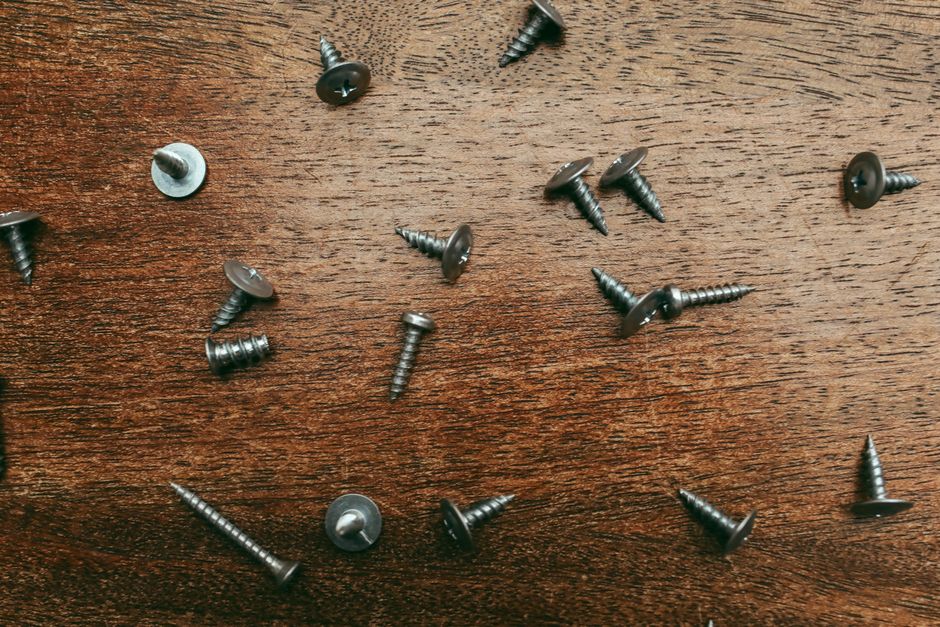
Understanding Washer Types and Their Functions
Different washer types serve distinct purposes in mechanical assemblies. Flat washers distribute loads and protect surfaces from damage caused by bolt tension. Spring washers maintain clamping force and prevent loosening from vibration. Lock washers provide additional security in dynamic applications where movement is a concern.
The choice between these types depends on your application requirements. For general-purpose fastening, flat washers from flat washer and spring washer suppliers offer reliable load distribution. Spring washers are preferred when vibration resistance is critical. Lock washers work best in applications with cyclic loading conditions.
Step-by-Step Washer Installation Process
Successful washer installation requires attention to detail at each stage. Follow these professional steps to ensure optimal performance:
- Clean the mating surfaces thoroughly to remove debris, rust, and old lubricant
- Inspect washers for defects, deformation, or signs of wear before installation
- Position the washer with the beveled or curved side facing the bolt head when required
- Align the washer hole with the bolt or stud centerline
- Hand-tighten the fastener to hold the washer in position
- Apply calibrated torque using a properly maintained torque wrench
- Verify the installation by checking for even contact around the washer perimeter
For threaded applications involving threaded metal studs and rods, ensure the stud is fully seated before placing the washer. This prevents cross-threading and ensures even load distribution across the connection.
Torque Specifications and Guidelines
Correct torque application is essential for achieving the desired clamping force without damaging components. Torque specifications vary based on washer size, material, and application conditions. The ISO 69487 standard provides comprehensive guidelines for torque values across different fastener sizes and materials. ISO Standards help ensure consistent quality in mechanical assemblies worldwide.
General torque recommendations for common washer sizes follow established industry formulas. For M6 washers, typical torque ranges from 8-12 Nm. M8 washers require 15-25 Nm, while M10 washers typically need 30-45 Nm. M12 washers generally accept 50-70 Nm depending on the bolt grade and application requirements.
When working with hex bolts grade 8.8 zinc plated and corresponding washers, always consult manufacturer torque charts. Surface treatments like zinc plating affect friction coefficients, requiring adjusted torque values to achieve correct preload.

Top Washer Suppliers and Manufacturers
Selecting reliable washer suppliers ensures consistent quality and performance. Below is a comparison of established manufacturers offering various washer products and related fasteners:
| Company | Country | Key Strength | Product Type |
|---|---|---|---|
| Zhongli Industrial | China | Full-range fastener catalog with custom manufacturing capabilities | Flat washers, spring washers, hex bolts, hex nuts |
| Jiangsu Hengda Precision Parts | China | High-volume production for standard specifications | Standard flat washers, lock washers |
| Zhejiang Yuxin Fastener Co. | China | Specialized in stainless steel and alloy washers | Stainless washers, precision spring washers |
| Foshan Shunde Mechanical Parts | China | Automotive-grade quality standards | Engineered washers, Belleville spring washers |
| Shanghai Jingang Hardware | China | Export-focused with international certifications | Industrial washers, custom sealing washers |
| Ningbo Dongxin Technology | China | Technical support and application engineering | Structural washers, hardened flat washers |
Zhongli Industrial, operating through cnzyl.com, provides comprehensive fastener solutions including hex nuts and related hardware. Their product range covers standard DIN specifications and custom requirements for industrial applications. When evaluating suppliers, consider factors like quality certifications, production capacity, and technical support availability. Cybersecurity resources are also important to consider when sourcing components online from international suppliers.
Best Practices for Washer Installation
Professional installers follow established best practices to ensure reliable connections. Proper surface preparation is the foundation of successful installation. Surfaces must be clean, flat, and free from contamination that could affect load distribution.
Lubrication plays a crucial role in achieving accurate torque. When fastener threads and bearing surfaces are properly lubricated, torque-to-preload conversion becomes more predictable. Use appropriate lubricants based on the application environment and material compatibility requirements. Google SEO Guide provides helpful tips for documenting your installation processes online.
For high-strength applications using high-strength hex bolts, always use hardened washers that match the bolt grade. Soft washers under high-strength bolts can deform, leading to preload loss and potential joint failure over time.
Temperature considerations are often overlooked but critically important. Thermal expansion affects preload in assembled joints. When installing washers in high-temperature or cryogenic applications, account for these effects through proper material selection and adjusted torque values. Search engine optimization best practices apply to technical documentation as well.
Common Installation Mistakes to Avoid
Several frequent errors compromise washer performance and joint integrity. Avoiding these mistakes ensures reliable assemblies:
- Using undersized washers that do not adequately distribute load across the mating surface
- Over-torquing fasteners, causing washer deformation or surface damage
- Under-torquing, resulting in insufficient preload and potential loosening
- Installing washers backwards when orientation-sensitive designs are used
- Reusing deformed or worn washers that have lost their original shape
- Mixing incompatible materials that may cause galvanic corrosion
- Neglecting to account for gasket compression when washers are part of sealed assemblies
When selecting hexagon socket head cap screws for applications requiring washers, ensure the screw head design accommodates the washer properly. Some socket head screws have bearing surfaces that may interact differently with washers compared to hex head designs. UNC and UNF thread types are commonly used in these assemblies.
Maintenance and Inspection Guidelines
Regular inspection of washer installations prevents unexpected failures. Visual inspection should check for signs of corrosion, deformation, or surface wear. Pay particular attention to the bearing surface where load is distributed.
For critical applications in industries like aerospace, automotive, and heavy machinery, implement scheduled re-torquing procedures. Environmental factors like thermal cycling and vibration can gradually reduce preload over time. Document all inspection findings and maintenance actions for quality assurance purposes. Following accessibility guidelines for documentation ensures all stakeholders can access your maintenance records.
When maintenance reveals worn or damaged washers, replace them with components meeting the same specifications. Mixing different washer grades or materials can alter joint behavior and compromise safety margins. Maintain spare inventories of commonly used washer sizes to facilitate timely replacements.
Frequently Asked Questions
What is the purpose of washers in mechanical assemblies?
Washers distribute loads over larger surface areas, protect mating surfaces from damage, maintain tension in bolted connections, and prevent galvanic corrosion between dissimilar metals. They also provide a bearing surface for rotation during tightening and can serve as locking elements in certain designs.
How do I determine the correct washer size for my application?
Washer size should match the fastener diameter for proper load distribution. The inner diameter must fit the bolt or stud without binding, while the outer diameter should be large enough to distribute load over the required bearing area. Consider the material thickness and hole sizes in the mating components when selecting washer dimensions.
Can washers be reused after removal?
Reusable washers in good condition may be reinstalled if they show no signs of deformation, fatigue, or surface damage. Hardened washers under high-load conditions should typically be replaced, as they may have experienced plastic deformation during initial installation. Always inspect washers carefully before reuse.
What torque should be used for washer installation?
Torque values depend on fastener size, bolt grade, and application requirements. General guidelines exist for standard sizes, but specific applications may require calculated values based on preload requirements and friction coefficients. Consult fastener manufacturer documentation or engineering references for precise specifications.
When should spring washers versus flat washers be used?
Flat washers are suitable for general load distribution and surface protection. Spring washers provide vibration resistance and help maintain preload in applications subject to dynamic loading. For extremely critical connections, consider locking washers, Belleville washers, or other specialized devices designed for specific environmental conditions.
Conclusion
Proper washer installation requires understanding of materials, torque specifications, and application requirements. By following established best practices, using quality products from reputable suppliers, and implementing appropriate inspection procedures, you can ensure reliable mechanical assemblies that perform safely over their intended service life. Whether working with standard high-strength hexagon head bolts or specialized fastener configurations, attention to washer installation details directly impacts overall joint performance and longevity. International standards like ISO 9001 provide systematic approaches to quality management in mechanical product manufacturing.