

 Send Email

What Determines Threaded Rod Longevity?
Threaded rod lifespan depends on multiple interconnected factors that work together to degrade or protect the material over time. Corrosion resistance stands as the primary determinant in harsh environments where moisture, chemicals, or salt exposure accelerate material deterioration. Mechanical strength properties dictate how well the rod maintains its structural integrity under load, vibration, and thermal stress.
Environmental conditions at the installation site often prove more decisive than material composition alone. A high-quality carbon steel rod with proper surface treatment may outperform stainless steel in controlled indoor applications, while the reverse holds true in coastal or chemical processing environments. Understanding these interplaying factors helps engineers and procurement specialists make informed decisions that balance initial cost against total lifecycle expenses.
The threaded metal studs and rods from certified manufacturers typically include detailed material specifications that indicate chromium content, carbon percentage, and recommended application ranges. These specifications serve as the foundation for longevity predictions in any given environment.
Stainless Steel Threaded Rod Properties
Stainless steel contains a minimum of 10.5% chromium content, which forms a passive chromium oxide layer on the surface. This self-healing protective layer regenerates automatically when damaged, providing continuous corrosion protection without external coating applications. The most common grades for threaded rods include 304 and 316 stainless steel, with 316 offering superior chloride resistance.
The austenitic structure of 300-series stainless steel provides excellent ductility and toughness across temperature ranges from cryogenic conditions to elevated heat exposure. These properties make stainless threaded rods suitable for applications requiring repeated thermal cycling without embrittlement concerns. The material maintains its mechanical properties at temperatures up to 870°C in intermittent service, though strength decreases at sustained high temperatures.
316 stainless steel threaded rods demonstrate particular advantage in marine environments, chemical processing facilities, and applications involving chlorine exposure. The molybdenum addition improves pitting resistance and enhances durability in chloride-containing atmospheres where standard 304 grades would deteriorate prematurely. According to ISO standards for stainless steel products, proper grade selection significantly impacts service life projections.
Carbon Steel Threaded Rod Properties
Carbon steel threaded rods offer superior tensile strength compared to most stainless alternatives, making them ideal for high-load structural applications. Medium carbon variants with 0.30-0.60% carbon content achieve hardness levels and yield strengths that stainless steel cannot match without expensive alloy additions. This strength advantage translates to smaller diameter rods carrying equivalent loads, reducing material costs in heavy construction projects.
The primary limitation of carbon steel lies in its vulnerability to corrosion when exposed to moisture or aggressive environments. Without protective coatings, carbon steel develops rust that progressively reduces cross-sectional area and compromises load-carrying capacity. However, this weakness becomes manageable through various surface treatment options including zinc plating, hot-dip galvanizing, and epoxy coating systems.
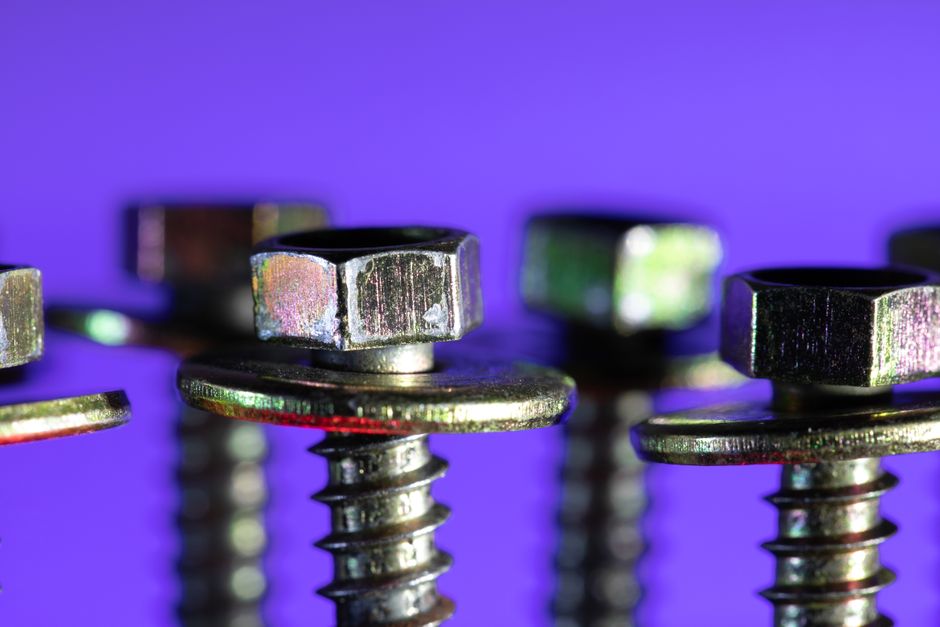
Zinc-plated carbon steel hex bolts and threaded products demonstrate how proper surface treatment extends service life significantly. The zinc layer acts as a sacrificial anode, corroding preferentially to protect the underlying steel substrate even when the coating suffers minor damage.
Head-to-Head Durability Comparison
Service life projections vary dramatically based on installation environment, making direct comparisons meaningful only within specific context. Indoor applications with controlled humidity typically show minimal difference between properly installed stainless and zinc-plated carbon steel rods, with both materials lasting 20+ years without significant degradation. The cost differential in these controlled environments rarely justifies the premium pricing of stainless steel.
Outdoor exposure introduces the critical variable of precipitation and humidity patterns. Stainless steel 304 maintains structural integrity for 15-25 years in moderate climates, while 316 grades extend this range to 25-40 years in challenging conditions. Zinc-plated carbon steel typically requires re-evaluation or replacement within 10-15 years unless additional protective measures are implemented.
Marine and coastal environments represent the starkest contrast. Salt-laden air accelerates corrosion rates dramatically, with unprotected carbon steel potentially failing within 2-5 years. Stainless steel 316 threaded rods in these conditions commonly exceed 30-year service intervals, though initial costs run 3-5 times higher than carbon steel alternatives. The National Institute of Standards and Technology guidelines recommend lifecycle cost analysis for infrastructure decisions involving long-term material performance.
Feature Comparison Table
| Property | Stainless Steel (316) | Carbon Steel (Zinc-Plated) |
|---|---|---|
| Corrosion Resistance | Excellent (chloride-resistant) | Good (with coating intact) |
| Tensile Strength | 515-690 MPa | 620-850 MPa |
| Temperature Range | -180°C to 870°C | -30°C to 400°C |
| Outdoor Lifespan | 25-40 years | 10-15 years |
| Relative Cost | High | Moderate |
| Maintenance Needs | Minimal | Regular inspection |
Cost Considerations and Lifecycle Value
Initial material costs for stainless steel threaded rods typically run 2-4 times higher than equivalent carbon steel products. However, lifecycle cost analysis frequently reverses this apparent advantage. Labor costs for replacement, potential structural repairs, and operational downtime during maintenance intervals often exceed the original material cost differential by significant margins.
Zinc-plated carbon steel products require regular inspection schedules to identify coating breaches before significant corrosion progresses. Hex nuts and associated hardware in carbon steel systems demand similar attention to coating condition and galvanic compatibility. Budgetary constraints may favor carbon steel for short-term projects or temporary installations where extended service life provides limited value.
High-strength applications in bridges, industrial equipment, and critical infrastructure increasingly specify high-strength hex bolts and threaded products where carbon steel grades meet ASTM and ISO requirements. These specifications balance strength advantages against corrosion protection requirements for each specific application class.
Application-Specific Recommendations
Structural steel connections in commercial buildings typically employ zinc-plated or hot-dip galvanized carbon steel threaded rods where moisture exposure remains minimal. Interior applications benefit from the strength advantages while avoiding the primary weakness of carbon steel in corrosive environments. Mechanical room installations, utility corridors, and climate-controlled spaces represent ideal applications for coated carbon steel products.
Food processing, pharmaceutical, and medical equipment applications favor stainless steel for hygiene compliance and cleaning chemical resistance. The non-reactive surface of stainless threaded rods prevents contamination concerns that plague carbon steel systems where coating degradation may expose bare metal to product contact. Washroom and sterilization environments particularly benefit from compatible stainless and coated washer products that maintain system corrosion resistance throughout.
Offshore platforms, coastal installations, water treatment facilities, and chemical processing plants should specify 316 stainless steel throughout fastener systems to ensure consistent corrosion resistance. Threaded rods in these demanding applications often connect structural elements where failure consequences justify premium material investments. The accessibility and standards documentation from industry bodies reinforces the importance of appropriate material selection for safety-critical applications.
Environmental Impact and Sustainability
Both materials offer recycling advantages that support sustainability initiatives. Stainless steel contains recycled content typically ranging from 60-80%, with near-complete recyclability at end-of-life. Carbon steel recycling rates exceed 85% globally, making both materials environmentally responsible choices when properly specified for their intended applications.
Extended service life directly correlates with reduced environmental footprint through decreased manufacturing demand, transportation emissions, and disposal requirements. Stainless steel threaded rods achieving 40-year service intervals generate lower lifecycle environmental impacts despite higher initial production energy requirements. Carbon steel systems requiring replacement every 15 years accumulate environmental costs that partially offset their lower initial manufacturing footprint.
Selection Checklist for Engineers
- Identify environmental exposure classification: indoor, outdoor, marine, or chemical processing
- Determine required tensile strength and load requirements for the application
- Evaluate temperature range and thermal cycling expectations
- Calculate lifecycle costs including maintenance, inspection, and replacement intervals
- Review applicable building codes and industry standards for material requirements
- Verify galvanic compatibility with adjacent materials in the assembly
- Consider aesthetic requirements where exposed fastener appearance matters
Conclusion
Neither stainless steel nor carbon steel universally outperforms the other across all durability metrics. Strength advantages favor carbon steel for load-critical structural applications, while corrosion resistance superiority belongs to stainless steel in aggressive environments. Lifecycle cost analysis incorporating maintenance requirements, replacement intervals, and failure consequences provides the most reliable basis for material selection decisions.
For indoor structural applications, zinc-plated carbon steel threaded rods deliver adequate performance at reasonable cost. Coastal installations, chemical exposure environments, and applications demanding extended maintenance-free service life warrant stainless steel investment despite higher initial pricing. Thorough environmental assessment and lifecycle cost projection before procurement prevents costly remediation and ensures optimal system performance throughout intended service periods.
Frequently Asked Questions
Can stainless steel threaded rods be welded to carbon steel components?
Yes, stainless steel can be welded to carbon steel using appropriate welding procedures and filler materials. However, the resulting joint requires attention to galvanic corrosion where dissimilar metals contact in moist environments. Transition joints or insulating washers may be necessary for long-term durability in corrosive settings.
How often should zinc-plated carbon steel threaded rods be inspected?
Visual inspection every 12-24 months is recommended for most applications, with annual inspection in outdoor or humid environments. Inspections should verify coating integrity, check for rust development at joints and thread roots, and assess overall system condition for replacement planning.
What causes threaded rods to fail prematurely?
Common failure modes include galvanic corrosion when dissimilar metals contact in electrolytic environments, hydrogen embrittlement from improper plating processes, fatigue cracking from vibration loading, and excessive corrosion reducing effective cross-sectional area below load requirements.
Is 304 stainless steel suitable for swimming pool applications?
Swimming pool environments contain chlorine compounds that accelerate pitting corrosion in 304 stainless steel. Grade 316 stainless steel with its molybdenum addition provides adequate resistance for these applications. Pool equipment specifications typically mandate 316 or higher grades for fastener systems.
Do threaded rod materials require special storage conditions?
Both materials should be stored in dry, ventilated conditions away from corrosive substances. Carbon steel products benefit from desiccant packaging and humidity-controlled storage. Stainless steel tolerates broader storage conditions but should remain separated from carbon steel to prevent galvanic contamination and maintain surface cleanliness.