

 Send Email
Understand the grades of carbon steel hex bolts
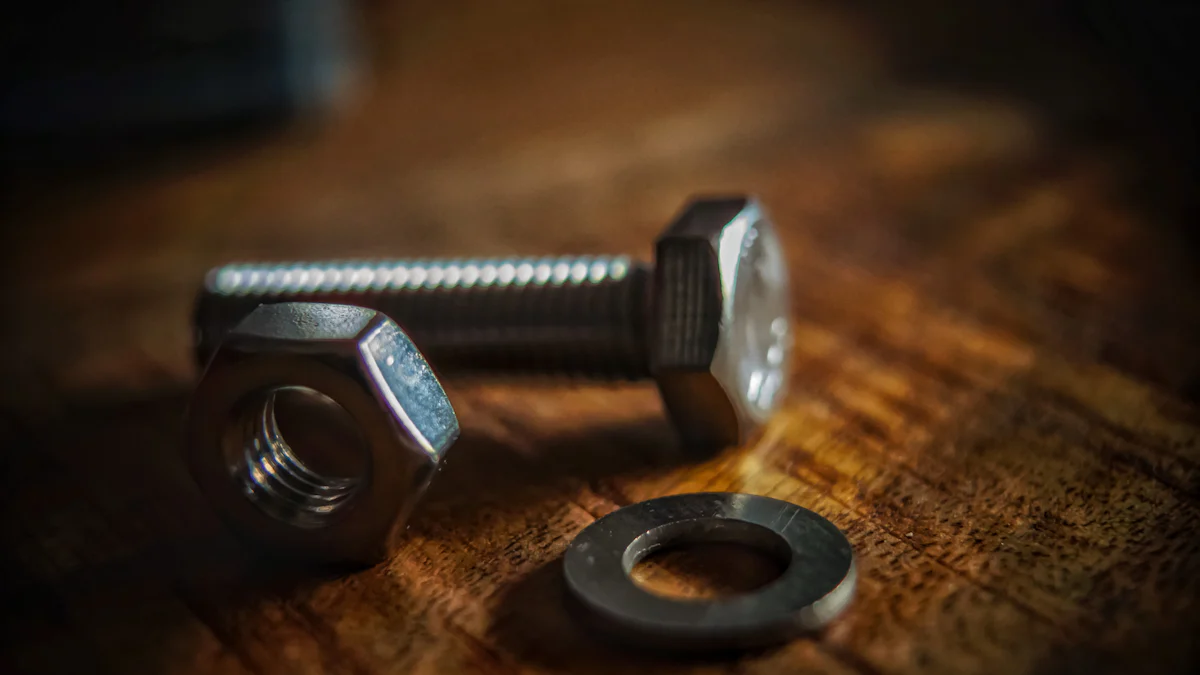
Hex bolts play a vital role in industries like construction, automotive, and machinery. They provide the strength and reliability needed for critical applications. The global demand for hex bolts continues to rise, driven by booming construction projects and growing infrastructure investments. With the market expected to reach $22.94 billion by 2031, choosing the right hex bolts manufacturers becomes essential. Reliable manufacturers ensure consistent quality and performance, which are crucial for industrial success. By focusing on quality control and advanced manufacturing processes, hex bolts manufacturers meet the increasing need for durable, high-performance fasteners.
Key Takeaways
- Hex bolts are crucial in various industries, including construction, automotive, and machinery, providing strength and reliability for critical applications.
- Choosing the right manufacturer is essential for ensuring quality and performance; look for companies with strong reputations and industry certifications.
- Different types of hex bolts, such as fully threaded, partially threaded, and heavy hex bolts, cater to specific needs and applications.
- Materials matter: stainless steel offers corrosion resistance, carbon steel provides strength at an affordable price, and alloy steel is ideal for high-performance applications.
- Reliable manufacturers often have a global presence, indicating their ability to meet diverse market needs and maintain quality standards.
- Customization is available from many manufacturers, allowing businesses to obtain hex bolts tailored to their specific project requirements.
- Prioritize manufacturers with rigorous quality control processes and certifications to ensure the durability and reliability of hex bolts.
Overview of Hex Bolts
Hex bolts are among the most versatile and widely used fasteners in the world. Their six-sided head design makes them easy to grip with tools like wrenches or sockets, ensuring a secure and reliable connection. Whether you're working on a construction project, assembling machinery, or tackling automotive repairs, hex bolts provide the strength and durability needed for demanding applications.
Types of Hex Bolts
Hex bolts come in various types, each designed to meet specific needs. Let me walk you through the most common ones:
Fully Threaded Hex Bolts
Fully threaded hex bolts have threads running along their entire length. These bolts are ideal for applications requiring a strong grip over the entire bolt length. I often see them used in situations where alignment and tension are critical, such as in machinery assembly or structural connections.
Partially Threaded Hex Bolts
Partially threaded hex bolts feature a smooth shank near the head, with threads covering only part of the bolt. This design provides extra shear strength, making them perfect for heavy-duty applications like securing beams or large equipment. The smooth section also helps reduce wear on the materials being fastened.
Heavy Hex Bolts
Heavy hex bolts have a larger and thicker head compared to standard hex bolts. This design offers increased strength and load-bearing capacity. They're commonly used in industries like construction and oil and gas, where extreme conditions demand robust fasteners.
Common Materials Used
The material of a hex bolt plays a crucial role in its performance. Let me break down the most popular materials:
Stainless Steel
Stainless steel hex bolts resist corrosion and rust, making them ideal for outdoor or marine environments. I recommend these bolts for projects exposed to moisture or harsh weather conditions. They combine durability with a sleek appearance, which is a bonus for visible applications.
Carbon Steel
Carbon steel hex bolts are known for their strength and affordability. These bolts work well in general-purpose applications, especially where high tensile strength is required. However, they may need protective coatings like zinc plating to prevent rust in humid or wet environments.
Alloy Steel
Alloy steel hex bolts are engineered for high-performance applications. They offer superior strength and toughness, making them suitable for heavy machinery, automotive components, and industrial equipment. If you're dealing with high stress or vibration, alloy steel bolts are a reliable choice.
Applications of Hex Bolts
Hex bolts are indispensable across various industries. Here are some of the most common applications:
Construction and Infrastructure
In construction, hex bolts hold together beams, columns, and other structural elements. They ensure stability and safety in buildings, bridges, and roadways. I often see them used in large-scale infrastructure projects where strength and reliability are non-negotiable.
Automotive and Machinery
Hex bolts play a key role in assembling vehicles and machinery. They secure engine components, frames, and other critical parts. Their ability to withstand vibration and stress makes them a go-to choice for automotive and industrial applications.
Oil and Gas Industry
The oil and gas sector relies on heavy-duty hex bolts to handle extreme conditions. These bolts are used in pipelines, rigs, and refineries, where they must endure high pressure, temperature, and corrosive environments. Their durability ensures the safety and efficiency of operations.
Hex bolts truly shine in their versatility and reliability. No matter the industry or application, they provide the strength and performance needed to get the job done right.
Choosing the right hex bolt manufacturer makes all the difference when it comes to quality, durability, and performance. The manufacturers I’ve highlighted here stand out for their expertise, certifications, and global reach. From Ningbo Zhongli’s high-strength fasteners to Torqbolt’s internationally recognized products, each company brings unique strengths to the table. By partnering with a reliable manufacturer, businesses can confidently meet their specific needs and ensure long-term success. Whether it’s for construction, automotive, or heavy machinery, these Hex Bolts Manufacturers deliver solutions you can trust.
FAQ
What are hex bolts used for?
Hex bolts serve a wide range of purposes. I often see them used in construction projects to secure beams and columns. They’re also essential in automotive repairs, where they hold engine components and frames together. In industries like oil and gas, hex bolts handle extreme conditions, ensuring safety and stability in pipelines and rigs.
How do I choose the right hex bolt for my project?
Choosing the right hex bolt depends on your project’s requirements. First, consider the material. For outdoor or marine environments, I recommend stainless steel for its corrosion resistance. For heavy-duty applications, alloy steel offers superior strength. Next, decide on the type—fully threaded bolts work well for alignment, while partially threaded ones provide extra shear strength. Always match the bolt size and grade to your specific needs.
What materials are hex bolts made from?
Hex bolts come in various materials. The most common ones include:
- Stainless Steel: Resists rust and corrosion.
- Carbon Steel: Offers high tensile strength and affordability.
- Alloy Steel: Designed for heavy-duty and high-performance applications.
Each material has unique properties, so I suggest picking one based on your project’s environment and stress levels.
Are hex bolts available in custom sizes?
Yes, many manufacturers offer custom-sized hex bolts. For example, Yijin Hardware specializes in precision fasteners and can produce custom bolts tailored to your specifications. Their advanced facility produces over 8 million parts monthly, ensuring they can meet unique requirements. Customization ensures you get the perfect fit for your project.
What certifications should I look for in hex bolt manufacturers?
Certifications guarantee quality and reliability. I recommend looking for manufacturers with ISO certifications, like Ningbo Zhongli Bolts Manufacturing Co., Ltd., which holds ISO9001. This certification ensures strict quality management. Additionally, standards like ISO898-1 and ISO898-2 indicate excellent physical and mechanical properties.
Can hex bolts withstand extreme conditions?
Yes, certain hex bolts are designed for extreme conditions. For instance, alloy steel hex bolts handle high stress and vibration, making them ideal for heavy machinery and industrial equipment. In the oil and gas sector, hex bolts with protective coatings resist corrosion and endure high pressure and temperature. Always check the material and coating for durability.
Where can I find reliable hex bolt manufacturers?
You can find reliable manufacturers worldwide. Some top names include:
- Ningbo Zhongli Bolts Manufacturing Co., Ltd.: Known for high-strength fasteners and global reach.
- MW Components: Specializes in precision-engineered components for industries like aerospace and medical.
- Jyoti Engineering: A trusted supplier in India with a strong international presence in countries like Kuwait and Japan.
These companies offer quality products and excellent customer service.
How do I ensure the quality of hex bolts?
To ensure quality, I recommend purchasing from reputable manufacturers with certifications. Look for companies that follow strict quality control processes. For example, Ningbo Zhongli uses advanced testing equipment to maintain high standards. Additionally, check for compliance with industry standards like ISO or ASTM.
Can hex bolts be used in high-vibration environments?
Yes, hex bolts perform well in high-vibration environments when paired with the right locking mechanisms. For instance, lock washers or thread-locking adhesives can prevent loosening. I’ve seen these solutions used effectively in automotive and machinery applications, where vibration is constant.
Are there eco-friendly options for hex bolts?
Some manufacturers focus on sustainable practices. For example, MW Components continuously improves its manufacturing processes to reduce waste and energy consumption. Choosing companies with eco-friendly initiatives helps support sustainability while ensuring high-quality fasteners.