

 Send Email
Hex bolts are critical fastening components in industrial, automotive, and construction applications. Knowing when to replace hex bolts instead of re-tightening them is essential for maintaining structural integrity and preventing costly failures. This guide provides clear criteria for making that decision based on industry standards and practical inspection methods.
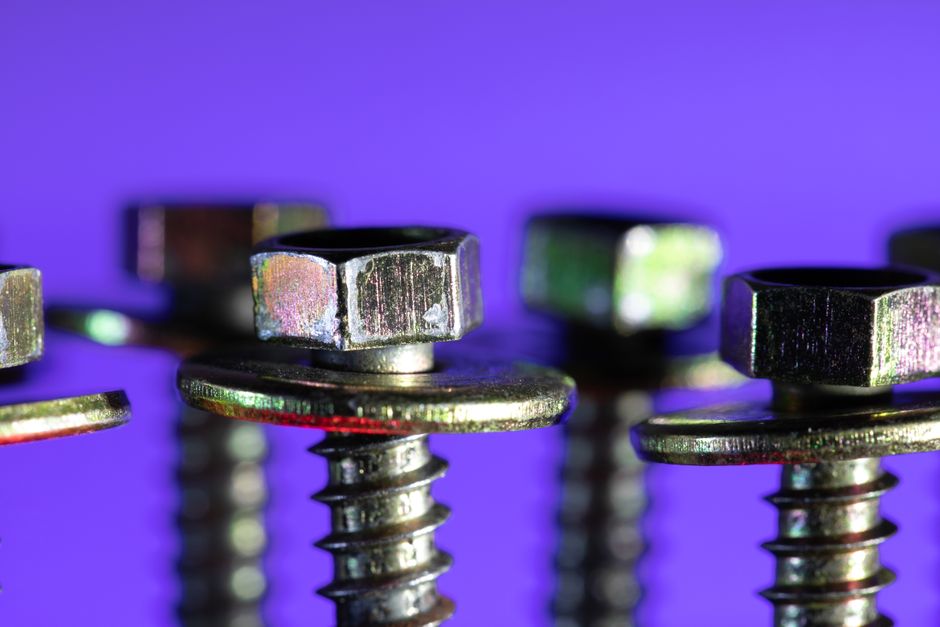
Understanding Hex Bolt Failure Modes
Hex bolts can fail through several mechanisms that make replacement the only safe option. The most common failure mode is plastic deformation, where the bolt stretches beyond its elastic limit during over-tightening. When this occurs, the bolt loses its original clamping force even if it appears visually acceptable. According to ISO standards for fastener quality, any bolt that has undergone permanent deformation should be replaced immediately. Fatigue failure represents another critical mode, particularly in dynamic load applications where cyclic stress gradually creates microcracks. These cracks often initiate at the thread roots and propagate until catastrophic fracture occurs. Corrosion is a third failure mechanism that compromises bolt strength by pitting the surface and reducing the cross-sectional area. High-strength hex bolts from certified suppliers like Zhongli's high-strength hex bolt series are manufactured to specific standards that define minimum mechanical properties and corrosion resistance requirements.
Visual Inspection Criteria for Replacement
Visual inspection provides the first line of defense in determining whether a hex bolt requires replacement. Technicians should examine bolts for obvious signs of damage including bent shanks, stripped threads, or cracked heads. Any bolt exhibiting cracks, whether visible to the naked eye or only detectable through magnetic particle testing, must be replaced without exception. Thread damage assessment requires careful examination of the first three engaged threads, which bear the majority of the load in a bolted joint. Minor thread damage may allow re-use in low-stress applications, but damaged threads in critical joints demand replacement. Surface scoring that penetrates more than 10% of the base material thickness significantly reduces fatigue life and warrants replacement. The DIN931 grade 8.8 zinc plated hex bolts feature standardized dimensions that facilitate inspection comparisons against new specimens of the same type.
Situations That Always Require Bolt Replacement
Certain conditions unambiguously require bolt replacement regardless of how snugly a bolt appears when re-tightened. Bolt fracture during service is an obvious case where replacement is mandatory, but there are subtler indicators that are equally important. When bolts have been exposed to temperatures exceeding their rated maximum, typically above 200°C for standard carbon steel grades, metallurgical changes occur that compromise strength. Similarly, bolts that have experienced fire exposure or thermal cycling beyond specifications should always be replaced. Hydrogen embrittlement represents a serious condition where atomic hydrogen infiltrates the steel microstructure, creating brittleness that can lead to delayed failure weeks after installation. This condition often affects high-strength bolts (grade 8.8 and above) that have been plated or exposed to acidic environments. Bolts that have been over-torqued to the point of yielding should never be re-used, as they will not maintain proper clamp load under service conditions. A comprehensive NIST guide on industrial safety practices emphasizes that fastener replacement decisions should always favor caution when uncertainty exists.
When Re-tightening May Be Acceptable
Re-tightening hex bolts can be appropriate in specific controlled situations where the original installation conditions are well understood. First-time installations that experience immediate settling due to gasket compression or surface irregularities often benefit from controlled re-torquing to the specified value. In these cases, the bolt has not been subjected to service loads and maintains its original mechanical properties. Bolts in regularly serviced equipment such as engine cylinder heads or equipment covers that follow documented torque procedures may be re-tightened if inspection reveals no damage indicators. The key requirement is maintaining a torque audit trail that confirms the bolt was originally tightened correctly and has not exceeded its design parameters. Proper re-tightening requires following the same pattern and procedure as the original installation, typically involving gradual tightening in a cross-pattern sequence. Complementary Zhongli's hex nuts series should also be inspected for signs of galling, distortion, or thread damage before re-use alongside the bolts they secure.
Inspection Checklist Before Deciding
Before deciding between replacement and re-tightening, conduct a systematic inspection following these criteria:
- Check for visible cracks using dye penetrant or magnetic particle testing on high-stress applications
- Measure thread pitch diameter with go/no-go gauges to verify dimensional compliance
- Verify bolt length against original specifications using calipers
- Assess surface condition for corrosion pitting, galling, or material loss
- Review installation records to confirm original torque values were within specification
- Evaluate the criticality of the joint and consequences of fastener failure
- Consider the operating environment including temperature, vibration, and chemical exposure
Joint Type and Application Considerations
The decision to replace or re-tighten hex bolts depends heavily on the joint classification and consequences of failure. Structural connections in bridges, cranes, and building frameworks require mandatory replacement after any indication of damage or over-stress. These applications typically use high-strength hex bolts from Zhongli's hexagon head bolt fine thread and coarse thread options that carry specific pre-load requirements. Pressure vessel and pipeline flanges demand replacement if bolts show signs of stretch or have exceeded their torque ratings, as clamp load integrity directly affects sealing performance. Rotating equipment and machinery joints often experience dynamic loads that create fatigue conditions, making bolt replacement the safer choice after extended service. Temporary or non-critical assemblies with low consequence of failure may allow selective re-tightening of inspected bolts that show no damage indicators. Always err on the side of replacement when the joint serves a safety function or supports human occupancy.
Proper Bolt Replacement Procedures
Replacing hex bolts requires attention to several factors beyond simply swapping old components for new ones. Match the replacement bolt to the original specifications including grade, material, thread type, and coating for consistent performance. Using washers from Zhongli's flat washer and spring washer series helps distribute load and maintain tension under dynamic conditions. Clean the joint surfaces thoroughly before installation, removing all debris, old lubricant, and any surface irregularities that could affect clamping. Apply the appropriate lubricant to threads and bearing surfaces to achieve accurate torque-to-tension relationships. Follow the specified torque sequence, typically tightening in three or four passes at increasing torque values, to ensure uniform loading across all bolts in the joint. Document the replacement including bolt lot numbers, torque values applied, and any observations about the removed bolts for future reference and quality assurance purposes.
Threaded Components Beyond Hex Bolts
While hex bolts are the most common fastener type, similar replacement criteria apply to other threaded components including Zhongli's threaded metal studs and rods. Studs often replace hex bolts in applications requiring frequent removal or where through-hole access is limited. Stud replacement is necessary when threads are damaged, when studs have stretched beyond acceptable limits, or when corrosion has compromised the stud body. Socket head cap screws and similar internal hex drive fasteners should be replaced following the same criteria as hex bolts when signs of damage or overstress appear. The Zhongli hexagon socket head cap screws follow similar international standards for mechanical properties and dimensional tolerances, making the same inspection principles applicable.
Documentation and Quality Control
Maintaining records of bolt inspection and replacement decisions serves both safety and operational purposes. Document the condition of removed bolts with photographs when damage is found, as this information helps identify patterns that might indicate systemic issues with the joint design or installation procedures. Record the reasons for replacement decisions, distinguishing between damage-found and precautionary replacements, to build institutional knowledge over time. Establish clear criteria for bolt re-use that align with industry standards and your organization's risk tolerance. Industry reference materials and ISO fastener standards provide frameworks for developing consistent policies. Regular audits of bolt replacement practices help maintain compliance and identify training needs among maintenance personnel.
Summary and Decision Framework
Making the right choice between replacing and re-tightening hex bolts requires balancing safety, cost, and operational efficiency. Replace bolts immediately when visual damage is present, when over-torquing has occurred, when exposure to damaging conditions has happened, or when the joint serves a critical safety function. Re-tightening may be appropriate only when bolts have not experienced service loads, when inspection confirms no damage indicators, and when proper documentation of original installation torque is available. When in doubt, replace the bolt. The cost of a new hex bolt is minimal compared to the consequences of joint failure in service. Following systematic inspection procedures and maintaining clear replacement criteria protects both equipment integrity and personnel safety.
Frequently Asked Questions
Can I reuse hex bolts after they have been tightened once?
Hex bolts can be reused if inspection reveals no damage indicators, they have not been subjected to service loads, and proper torque documentation exists. However, replacement is the safer choice in most applications.
How do I know if a hex bolt has been over-torqued?
Signs of over-torquing include visibly stretched or bent shanks, damaged threads, and deformed head surfaces. Measuring the bolt length against specifications can also reveal if plastic deformation has occurred.
Should I replace hex bolts every time I service equipment?
Not necessarily. If inspection confirms bolts remain in good condition and were properly tightened during the previous service, re-use may be acceptable. Replace any bolts showing damage indicators regardless of service interval.
What is the main risk of re-tightening damaged hex bolts?
The primary risk is catastrophic joint failure during service. Damaged bolts may not maintain adequate clamp load, leading to joint loosening, leaks, or structural failure depending on the application.
Are there specific standards governing hex bolt replacement decisions?
ISO fastener standards and ASME structural bolting codes provide guidelines for inspection criteria and replacement requirements, particularly for critical structural and pressure-containing applications.